
A Practical Guide to Catching Conveyor Hazards Early, Reducing Downtime, and Keeping Your Material Handling System Running Safely
Conveyor systems are essential to keeping warehouses, distribution centers, and manufacturing facilities running efficiently. But when small safety or maintenance issues go unnoticed, they can lead to downtime, costly repairs, and unnecessary risks.
Routine conveyor inspections help identify problems early and keep equipment operating safely and reliably. At Affordable Conveyor Services LLC, we help facilities stay ahead of these issues with inspections, preventive maintenance, troubleshooting, repairs, and emergency support.
Here are 10 conveyor problems your facility should never ignore.
1. Missing or Damaged Conveyor Guards
Conveyor guards help protect employees from moving parts, pinch points, pulleys, chains, and other hazardous areas. Missing or damaged guarding should always be addressed quickly. During an inspection, look for:
- Missing or loose guards
- Bent or damaged panels
- Exposed moving components
- Unprotected pinch points
- Guards that have been removed
Proper guarding is an important part of maintaining a safer conveyor system.
2. Emergency Stops That Are Hard to Access
Emergency-stop devices must be easy to reach and ready to use when needed. A blocked, damaged, or malfunctioning emergency stop can create unnecessary risk during an incident. Check for:
- Blocked emergency-stop buttons
- Damaged pull cords
- Loose or unresponsive controls
- Poorly positioned emergency devices
- Emergency stops that are difficult to reach
These controls should be tested and included in routine conveyor inspections.
3. Belt Tracking and Alignment Problems
A conveyor belt that repeatedly moves away from its intended path may be a sign of a larger issue. Poor tracking can cause uneven wear, damaged belt edges, product movement problems, and unnecessary stress on conveyor components. Common causes include:
- Improper belt tension
- Worn rollers
- Misaligned pulleys
- Uneven product loading
- Damaged components
Instead of repeatedly adjusting the belt, it is important to identify and correct the source of the problem.
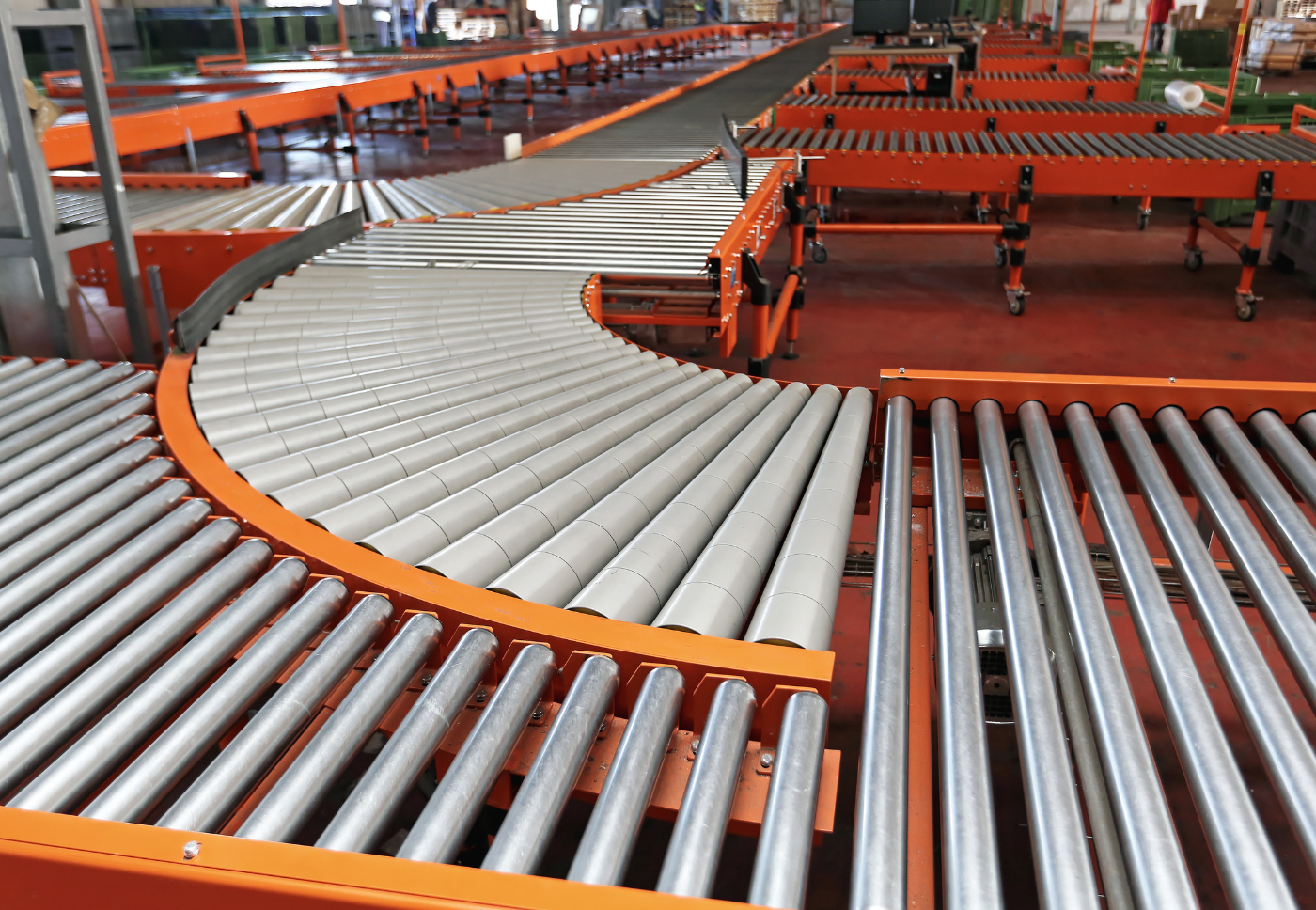
4. Damaged or Seized Rollers
Rollers experience constant wear and can gradually lose performance over time. A damaged or seized roller may affect product movement and place extra stress on nearby components. Watch for rollers that:
- Do not rotate smoothly
- Make unusual noises
- Show visible damage
- Cause vibration
- Affect product flow
- Have excessive buildup or wear
Replacing worn rollers early can help prevent more serious conveyor problems.
5. Unusual Noise or Excessive Vibration
Grinding, squealing, rattling, or excessive vibration should never be ignored. These symptoms often indicate that a conveyor component is beginning to wear or fail. Possible causes may include:
- Worn bearings
- Damaged rollers
- Motor issues
- Loose hardware
- Drive problems
- Conveyor misalignment
At Affordable Conveyor Services LLC, our technicians can troubleshoot unusual noise and vibration to identify the root cause and recommend the appropriate repair before the problem leads to unexpected downtime.
6. Loose, Worn, or Damaged Components
Conveyor systems rely on many moving parts working together. Over time, wear can develop in belts, bearings, pulleys, fasteners, drives, and support components. During an inspection, look for:
- Loose bolts or hardware
- Cracked or worn parts
- Frayed belts
- Damaged bearings
- Misaligned components
- Corrosion or excessive movement
Catching these issues early can make repairs easier to plan and help reduce the risk of a larger failure.
7. Electrical, Sensor, or Controls Problems
Not every conveyor issue is mechanical. Electrical and control problems can also cause recurring interruptions and inconsistent performance. Watch for:
- Sensor faults
- Cracked or worn parts
- Frayed belts
- Damaged bearings
- Misaligned components
- Corrosion or excessive movement
If the same fault keeps returning, it is important to identify the root cause instead of relying on temporary resets. Affordable Conveyor Services LLC provides both mechanical and electrical troubleshooting to help diagnose these issues.
8. Recurring Product Jams
An occasional jam may happen, but repeated jams in the same area can point to a deeper problem. Common causes may include:
- Misalignment
- Damaged rollers
- Sensor issues
- Improper product spacing
- Incorrect conveyor speed
- Worn components
Tracking where and when jams occur can help technicians identify patterns and recommend the right solution.
9. Unsafe Maintenance Practices
Maintenance and repairs should always follow proper safety procedures. Working on equipment without the right shutdown and energy-control steps can create unnecessary risks. Facilities should review:
- Lockout/tagout procedures
- Equipment shutdown steps
- Energy isolation
- Maintenance access
- Restart procedures
- Employee authorization
Safety procedures should never be skipped simply to get a conveyor back online faster.
10. Lack of Routine, Documented Inspections
One of the biggest risks is waiting until something breaks before checking the system. A documented inspection program can help your team:
- Track recurring problems
- Monitor component wear
- Prioritize repairs
- Schedule preventive maintenance
- Plan for replacement parts
- Reduce unexpected downtime
Regular inspections give facility managers a clearer picture of system condition and help shift maintenance from reactive to proactive.
FAQs
How often should a conveyor be inspected?
It depends on how often the system is used, but regular inspections can help catch wear before it causes downtime.
What should a conveyor inspection include?
A good inspection should check belts, rollers, guards, emergency stops, sensors, alignment, and any signs of wear or damage.
What are common signs a conveyor needs maintenance?
Watch for unusual noises, vibration, belt misalignment, recurring jams, damaged rollers, or unexpected shutdowns.
Can inspections help reduce downtime?
Yes. Catching small issues early can help prevent larger repairs and unexpected interruptions.
Does Affordable Conveyor offer inspections and maintenance?
Yes. Affordable Conveyor provides inspections, preventive maintenance, repairs, troubleshooting, and emergency conveyor support.