Planning a New Conveyor Installation? 8 Questions to Answer Before the Project Begins
Avoid costly mistakes, reduce downtime, and improve efficiency with these eight essential questions before installing a new conveyor system.
Installing a new conveyor system can improve productivity, streamline material handling, and reduce operational costs. However, without proper planning, businesses may face unexpected expenses, equipment issues, and workflow disruptions.
Whether you're upgrading existing equipment or starting a new installation, asking the right questions can help ensure a smoother process.
At Affordable Conveyor, we understand that every facility has unique needs. Proper planning helps businesses choose reliable conveyor solutions that support long-term efficiency and growth.
8 Questions to Ask Before Installation
A successful installation starts before the equipment arrives. Here's what your facility should consider.
What Problems Are You Trying to Solve?
Before selecting a conveyor system, identify your operational challenges.
Common goals include:
- Reducing manual material handling.
- Eliminating production bottlenecks.
- Increasing efficiency and productivity.
- Replacing outdated equipment.
- Improving workplace safety.
What Type of Conveyor Do You Need?
Different conveyor systems serve different purposes. Understanding your material handling needs helps determine the right solution.
- Belt Conveyors: Ideal for continuous material movement.
- Roller Conveyors: Suitable for boxes and packaged products.
- Gravity Conveyors: Cost-effective movement without powered motors.
- Powered Conveyors: Provide controlled and consistent product movement.
Is Your Facility Layout Ready?
Your new conveyor must fit your facility without disrupting operations.
Before installation, consider:
- Available floor space.
- Equipment placement.
- Employee and forklift pathways.
- Electrical requirements.
- Maintenance accessibility.
What Weight and Volume Will It Handle?
Choosing the correct conveyor capacity is essential for reliable performance.
Ask yourself:
- How heavy are your products?
- How many items move per hour?
- What are your largest product dimensions?
- Will production increase in the future?
Will It Integrate With Existing Equipment?
Your conveyor should work smoothly with your current machinery and material handling processes.
Consider:
- Connection points with existing systems.
- Conveyor speeds and product flow.
- Loading and unloading areas.
- Automation and control requirements.
What Safety Requirements Are Needed?
Safety should be considered before installation begins.
Important features and procedures include:
- Appropriate machine guarding.
- Accessible emergency stops.
- Lockout/tagout procedures.
- Safe maintenance access.
- Employee training.
How Will Installation Affect Operations?
A new installation may temporarily interrupt production or warehouse activities.
Plan ahead by:
- Establishing a realistic installation schedule.
- Preparing the site before equipment arrives.
- Coordinating with employees and contractors.
- Scheduling equipment testing.
- Planning for unexpected delays.
What About Maintenance and Future Expansion?
Your conveyor system should support your facility beyond the initial installation.
Consider:
- Replacement part availability.
- Routine maintenance requirements.
- Access for inspections and repairs.
- Future production increases.
- Potential system expansions.
Why Conveyor Installation Planning Matters
A successful conveyor installation isn't just about choosing equipment. It's about creating a system that improves productivity while supporting your facility's operational needs.
Proper planning can help your business:
Plan Your Conveyor Installation With Affordable Conveyor
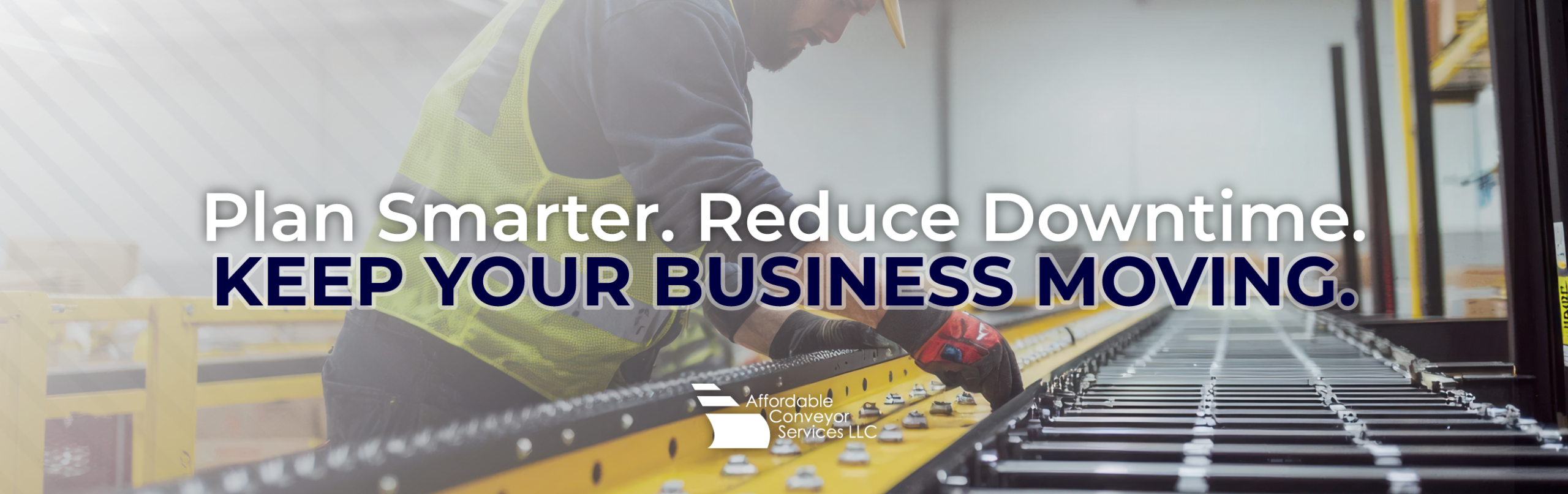
At Affordable Conveyor, we understand that reliable material handling equipment is essential for keeping your business moving.
Whether you're installing a new conveyor system, upgrading existing equipment, or improving your facility's workflow, our team can help you explore practical, cost-effective solutions.
Ready to improve your operations?
Plan Your InstallationFrequently Asked Questions
1. How long does conveyor installation take?
It depends on the system's size and complexity. Smaller projects may take days, while larger installations can require several weeks.
2. How much does a conveyor installation cost?
Costs vary based on equipment type, system size, and installation requirements.
3. Can a new conveyor connect to existing equipment?
Yes! Many conveyor systems can integrate with existing machinery when properly planned.
4. How can I reduce downtime during installation?
Prepare your facility, coordinate schedules, and consider installing during slower production periods.
5. Can conveyor systems be expanded later?
Yes! Many systems can accommodate future upgrades or expansions when planned in advance.
Affordable Conveyor Services LLC
Reliable conveyor installation, maintenance, and repair solutions to keep your business moving.