
Washdown Conveyor Problems: Why Food-Grade Conveyors Fail and How to Prevent It
Water, chemicals and temperature swings attack a sanitary conveyor every single shift. Here's where they do the damage, how to recognize it early, and what a washdown maintenance schedule looks like.
Sanitary Line Down in Connecticut?
Food, beverage, dairy and pharma facilities can't wait on a supplier lead time. Our Southington, CT technicians service washdown and stainless conveyors across Connecticut and New England, 24/7.
A Washdown Conveyor Lives a Harder Life Than Any Other Conveyor in the Building
A conveyor in a dry warehouse gets dust and the occasional dropped carton. A conveyor on a food processing line gets hit with high-pressure water, caustic or chlorinated sanitizers, hot-then-cold temperature cycles and product residue, every shift, on a schedule, by people whose job is to clean, not to protect the equipment.
That's not a complaint about sanitation. The washdown is required. It's a reason the conveyor has to be specified, built and maintained differently, and a reason the same handful of failures show up again and again on sanitary lines that weren't. Bearings that squeal after cleaning. Rust on something that was supposed to be stainless. A motor that trips every time the crew finishes rinsing. Photo-eyes that fault until someone wipes them.
Affordable Conveyor Services maintains and repairs washdown and food-grade conveyor systems across Connecticut's food and beverage, dairy, meat and poultry, bakery and pharmaceutical facilities. The failure points below are the ones we see most, with what causes each and what prevents it.
- High-pressure water that drives moisture past seals, into bearings, motors and enclosures
- Chlorine, caustic and acid sanitizers that pit stainless and degrade belt materials
- Hot wash, cold rinse, repeated: thermal cycling that loosens hardware and cracks seals
- Fats, sugars, salt and proteins that build up in any crevice water can't reach

The Six Failure Points on Washdown Conveyors
Each of these is a direct result of the washdown environment, and each has a specific design or maintenance answer.
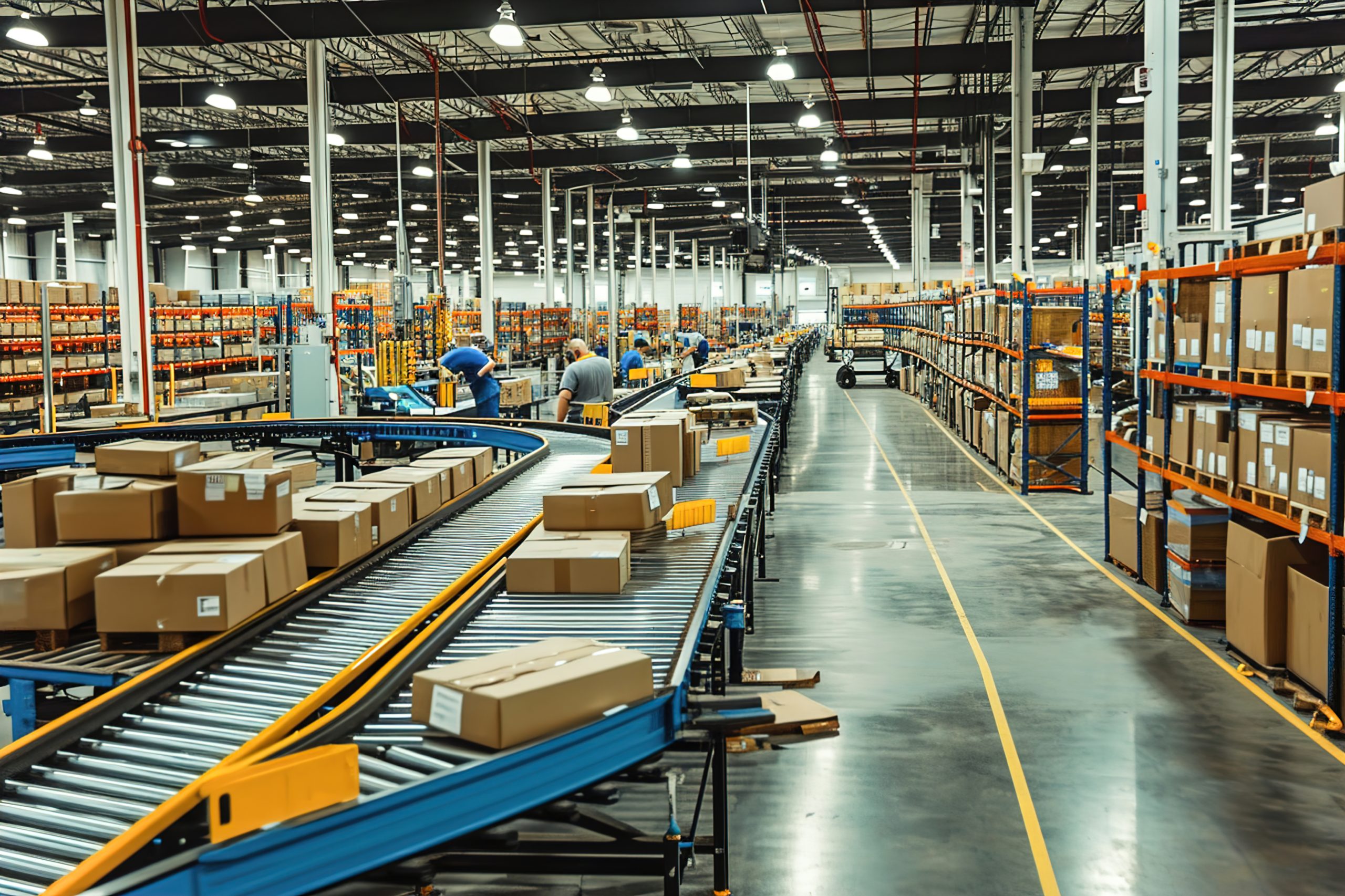
Bearing Washout
High-pressure water gets past standard seals and flushes the grease out. Sanitizer then corrodes the bearing from inside. The bearing squeals, runs hot, seizes, and takes a roller or shaft with it. The single most common washdown failure.
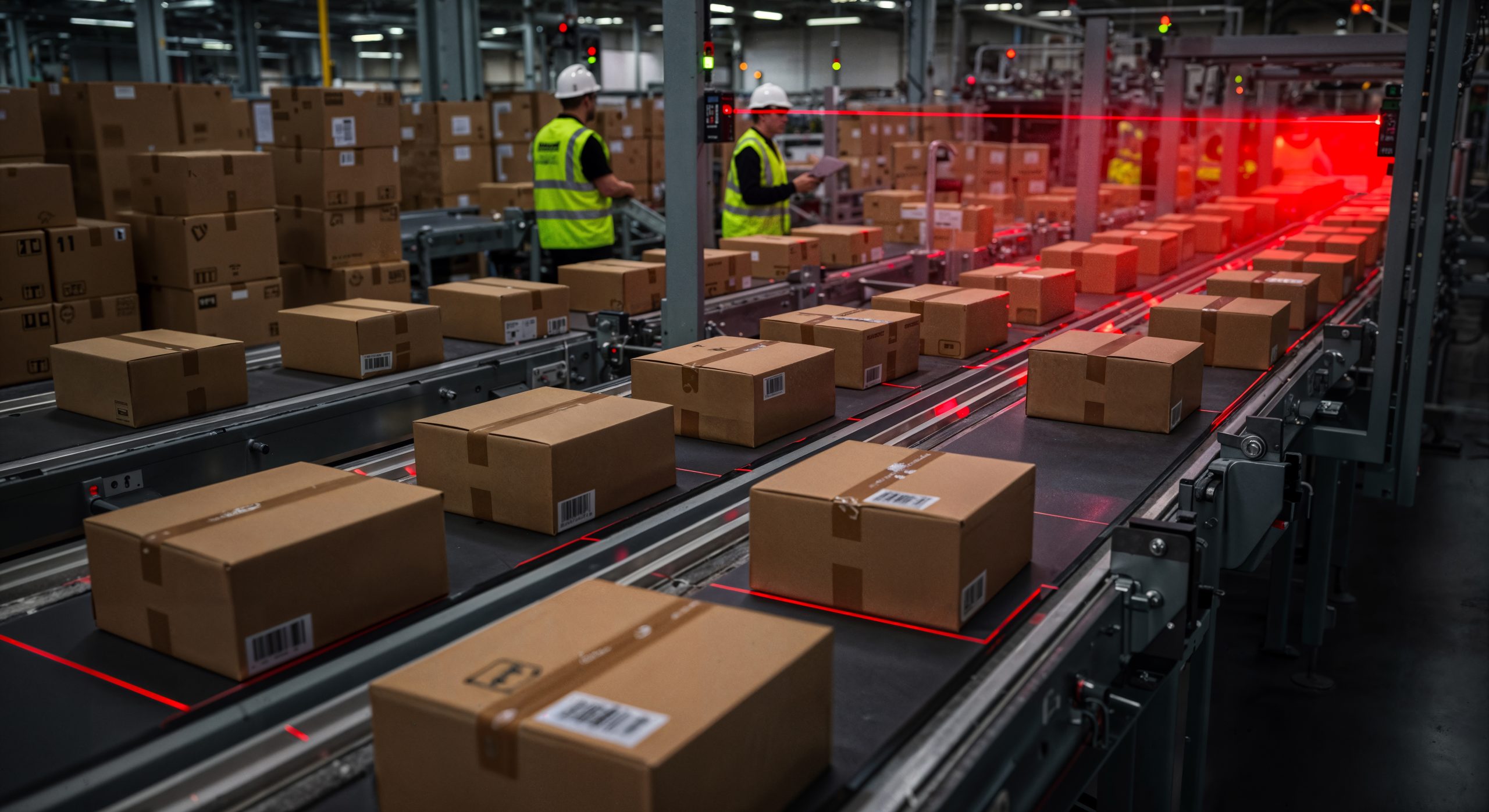
Stainless Pitting & Rust
Stainless isn't rust-proof. Chlorides from sanitizers and salt, acidic product, and standing water pit the surface, especially at welds, in crevices and on lower grades. Contact with carbon steel tools or fasteners leaves rust streaks that spread.
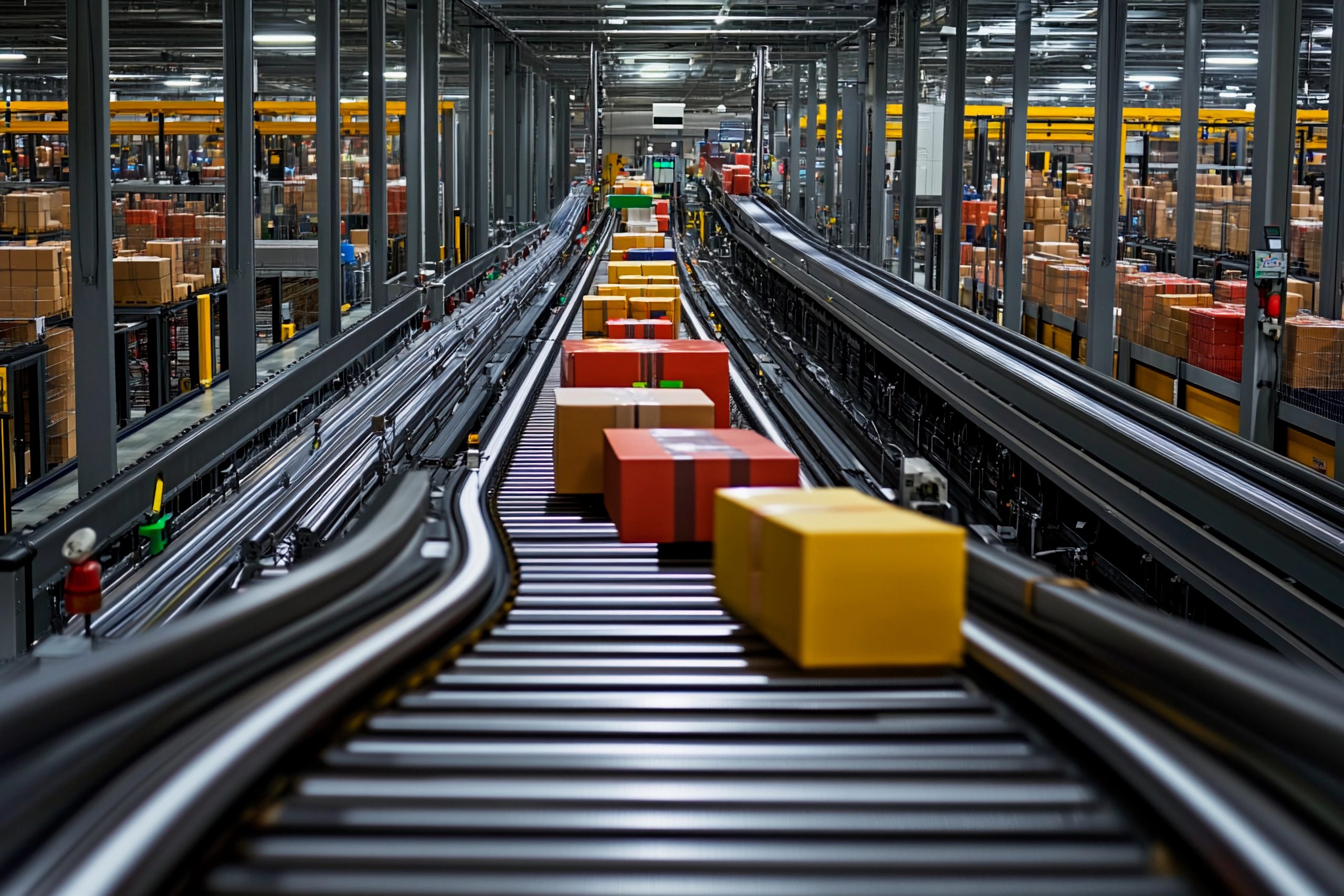
Belt & Module Degradation
Chemicals and temperature make belt material brittle, swell it, or break down the surface. Modular plastic belts crack at hinges and lose rods; fabric belts delaminate; urethane belts harden. Product then hides in the damage and the belt becomes a contamination point.
Motor & Gearbox Water Intrusion
Standard motors and gearboxes aren't built to be sprayed. Water enters through degraded seals, conduit entries and breather vents; the symptom is nuisance tripping after cleaning, then insulation failure, then a dead motor. Gearbox oil turns milky.
Sensor & Electrical Faults
Fogged or streaked lenses, water in connectors and cable glands, and sensors not rated for the pressure and heat of the cycle. The line restarts after sanitation with phantom stops, zones that won't release and diverts that fire wrong.
Harborage & Sanitary Design Failures
Hollow frame members, flat surfaces that hold water, hidden crevices at welds and fasteners, and belt returns that can't be reached. Product and water collect where the washdown can't get, bacteria grows, and the conveyor fails audits even when it runs fine.
What the Symptom After Washdown Is Telling You
Most washdown failures announce themselves right after the sanitation cycle. If the problem shows up then, the cleaning is what triggered it.
Squeal, grinding or heat from rollers after cleaning
Bearings washed out. The grease is gone and water is inside. Replace with washdown-rated bearings; a relube buys days, not weeks.
Rust streaks or pitting on a stainless frame
Chloride attack from sanitizer or salt, standing water in a crevice, or contamination from carbon steel. Check the sanitizer dwell and rinse, and the stainless grade.
Belt modules cracking, rods walking out, belt stiff
Belt material is incompatible with the chemicals or temperature in use, or is past its service life. Confirm the belt's chemical rating against the sanitizer spec.
Motor or drive trips right after rinse
Water in the motor, junction box or VFD enclosure. Inspect seals, gaskets and conduit entries; check gearbox oil for a milky color.
Phantom stops, stuck zones or misdiverts after sanitation
Sensor lenses streaked or connectors wet. Wipe every photo-eye and check cable glands. If it repeats, the sensors aren't rated for the washdown.
Odor, residue or swab failures on a "clean" conveyor
Harborage. Product and water are collecting where the washdown can't reach: hollow tubes, flat ledges, under the belt return. A sanitary design problem, not a cleaning problem.
A Washdown Conveyor Maintenance Schedule
A sanitary conveyor needs more attention than a dry one, and the most important interval is the one that doesn't exist on a standard schedule: right after every washdown.
Post-Sanitation Check
- Look for standing water on frames and in drip pans
- Wipe every photo-eye and sensor lens
- Confirm motors and enclosures are dry outside
- Restart and watch for trips, stuck zones, noise
- Note any new squeal from rollers or drives
Bearing & Belt Check
- Spin-test rollers; flag any rough or hot bearing
- Relubricate bearings where the design calls for it
- Inspect belt modules, hinges and rods for cracks
- Check belt tension and tracking
- Inspect seals, gaskets and cable glands
Drive & Structure Inspection
- Check gearbox oil for water (milky color)
- Inspect motor and VFD enclosures for moisture
- Inspect stainless for pitting, rust, weld corrosion
- Tighten hardware loosened by thermal cycling
- Verify sanitary design features are intact
Full Inspection & Replacement
- Professional inspection of the whole line
- Replace bearings and belt sections on condition
- Drain and refill gearboxes
- Test E-stops and guarding under load
- Review sanitizer spec against belt and metal ratings
Most Washdown Failures Are Specification Problems
If the same component keeps failing after cleaning, maintenance can only slow it down. The permanent fix is the right part for the environment.
Washdown-Rated Components Throughout
Motors, gearboxes, sensors, connectors and enclosures rated for high-pressure washdown, not just "water resistant." The rating has to match the pressure and temperature your sanitation crew actually uses.
Food-Grade Sealed Bearings
Sealed, solid-lube or stainless bearings designed to survive washdown without being flushed. They cost more than standard bearings and far less than the roller, shaft and downtime a washed-out bearing takes with it.
Belt and Metal Matched to the Chemistry
The sanitizer your facility uses determines which belt materials and which stainless grade survive. When the chemical program changes, the conveyor spec has to be re-checked against it.
Sanitary Design You Can Actually Clean
Open frames, sloped surfaces, no hollow members, accessible belt returns and tool-free belt lift. If the washdown can't reach it, it will fail an audit before it fails mechanically.
Keeping Sanitary Lines Running
Washdown Conveyor Problems: FAQ
Why do washdown conveyors fail more often than standard conveyors?
Washdown conveyors are hit every shift with high-pressure water, caustic or chlorinated sanitizers and rapid temperature swings. Each attacks a different component: water washes lubricant out of bearings, chemicals corrode stainless and degrade belt materials, pressure drives moisture into motors, gearboxes and sensor housings, and temperature cycling loosens hardware and cracks seals. A conveyor that isn't specified and maintained for that environment fails at those points first.
What causes bearing failure on washdown conveyors?
Water. High-pressure washdown forces water past standard seals and washes the grease out, and sanitizing chemicals accelerate corrosion inside the bearing. A bearing that squeals or runs hot after cleaning has usually been washed out. The fix is food-grade sealed or solid-lube bearings rated for washdown, and relubrication after sanitation where the bearing design calls for it.
Why is my stainless steel conveyor rusting?
Stainless resists corrosion but isn't immune. Chlorine-based sanitizers, salt, acidic product residue and standing water cause pitting and rust streaks, especially on lower grades, at welds and in crevices. Rust also appears when carbon steel tools or fasteners contaminate the surface. The usual causes are the wrong stainless grade for the chemicals in use, sanitizer left on too long or not rinsed, or design features that trap water.
Why does my conveyor motor trip after washdown?
Water intrusion. A motor, gearbox or junction box not rated for washdown, or whose seals, gaskets or conduit entries have degraded, takes on water during cleaning. The result is nuisance tripping, insulation breakdown and eventual motor failure. Washdown-duty motors and gearboxes, properly sealed conduit, and drain plugs oriented correctly prevent it. If a motor is already tripping, our repair team can assess it before it fails outright.
Why do photo-eyes and sensors fault after sanitation?
Lenses fogged or streaked by water and chemical residue, water inside connectors or cable glands, and sensors not rated for the pressure and temperature of the washdown cycle. The symptom is phantom stops, zones that won't release or sorters that misdivert right after cleaning. Washdown-rated sensors, sealed connectors and a post-sanitation wipe-down of every lens solve most of it.
How often should a washdown conveyor be maintained?
More often than a dry conveyor. After every washdown: inspect for standing water, wipe sensors, confirm the line restarts cleanly. Weekly: spin-test and relubricate bearings as the design calls for, inspect belt and modules, check seals. Monthly: inspect motors, gearboxes and electrical enclosures for moisture, check stainless for pitting, verify sanitary design features are intact. Quarterly or annually: a full professional inspection with belt and bearing replacement based on condition.
Who services washdown and food-grade conveyors in Connecticut?
Affordable Conveyor Services, headquartered at 72 Industrial Drive in Southington, CT, services washdown, stainless steel and food-grade conveyor systems for food and beverage, dairy, meat and poultry, bakery and pharmaceutical facilities across Connecticut and New England, including inspections, preventive maintenance, belt and bearing replacement, and 24/7 emergency repair. Call (860) 342-8753 or contact us online.
Washdown Conveyor Support Across Connecticut
Inspections, preventive maintenance and emergency repair for sanitary conveyor lines, with parts rated for the environment, from our Southington-based team serving food, beverage and pharmaceutical facilities across Connecticut and New England.
Talk to our team
Request an inspection, set up a maintenance program, or reach us now for a line that's down.
24/7 Direct Line(860) 342-8753