
Conveyor System Suppliers vs. Full-Service Contractors: Which Does Your Facility Actually Need?
The distinction matters more than most buyers realize — and choosing the wrong type of partner is one of the most common reasons conveyor projects run over budget, over schedule, or fail to perform.
Looking for a Full-Service Conveyor Contractor?
Affordable Conveyor Services handles design, installation, integration, and ongoing support for facilities across Connecticut and New England — from a single zone to a full warehouse system.
Supplier or Contractor — Getting It Wrong Costs You More Than Money
When a facility needs conveyor work done — whether that's replacing a worn belt section, expanding a packaging line, or automating an entire warehouse — the first decision isn't which equipment to buy. It's which type of partner to engage.
Conveyor system suppliers and conveyor system contractors are fundamentally different in what they deliver, what they're accountable for, and when their involvement ends. Confusing the two — or engaging the wrong one for your project scope — leads to gaps in accountability, installation delays, systems that don't integrate properly, and ongoing support that nobody has ownership of.
This guide breaks down exactly what each type of partner does, when each one is the right call, and what a full-service conveyor contractor actually covers from first site visit through long-term maintenance.
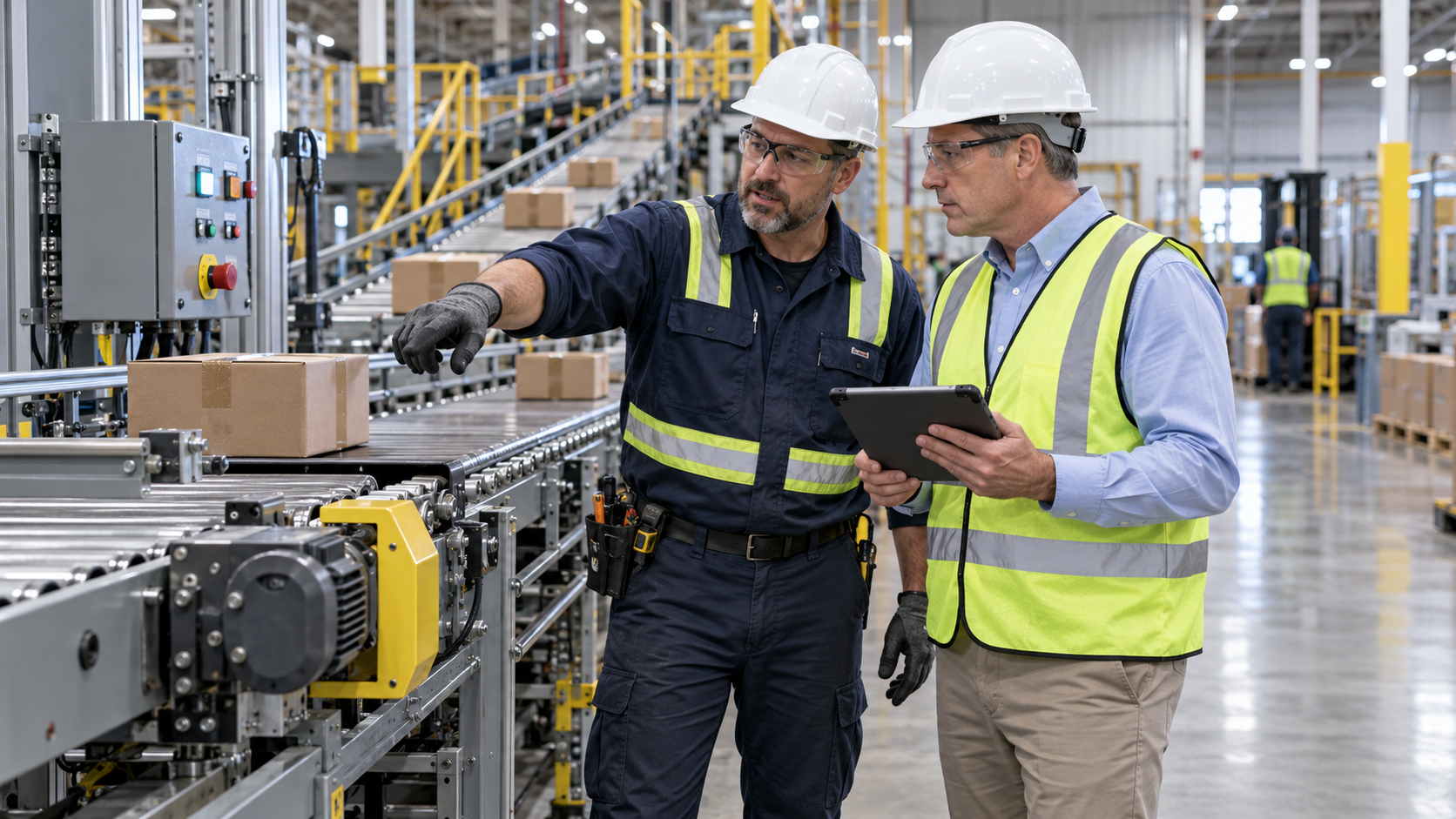
Suppliers Sell Hardware. Contractors Build Systems.
The primary distinction comes down to product procurement versus physical execution — and where each partner's accountability begins and ends.
What a Conveyor Supplier Does
- Role Sells specific hardware — belt sections, rollers, chains, drives, or standardized conveyor units
- Best For Replacing worn-out parts, expanding an existing identical line, or purchasing standalone stock equipment
- Scope Limited to manufacturing or distributing the physical product — does not analyze your facility layout or workflow
- Installation Does not perform on-site installation, alignment, or commissioning
- Accountability Ends when the hardware is delivered or shipped to your location
- Ongoing Support Warranty on components only — no maintenance programs, no emergency response
What a Full-Service Contractor Does
- Role Designs, builds, integrates, and physically installs an entire functional conveyor network on-site
- Best For New facilities, major automation overhauls, complex multi-level routing systems, or any project requiring WMS/WCS integration
- Scope Handles structural integration, electrical wiring, PLC programming, software syncing, and on-site assembly
- Installation Performs all field labor — equipment offloading, framing, alignment, motor wiring, safety circuits, sensor placement
- Accountability Takes end-to-end responsibility through final commissioning and operational handover
- Ongoing Support Provides preventive maintenance programs, emergency repair, system relocations, and overhaul shutdowns
What a Full-Service Conveyor Contractor Actually Covers
A full-service contractor's involvement doesn't end at equipment delivery. Here's what that scope looks like from first engagement through long-term support.
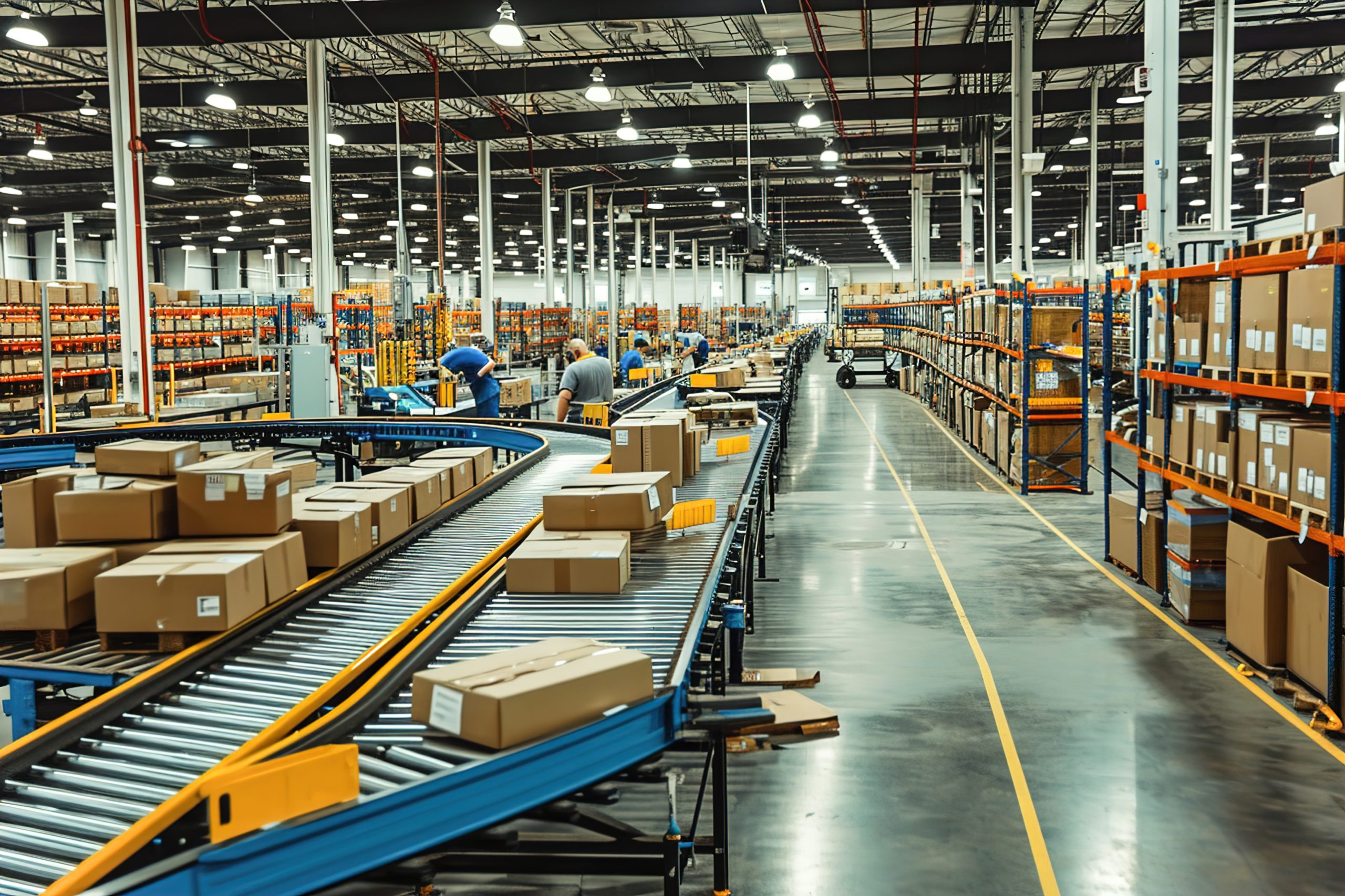
Turnkey Design & Engineering
Custom layouts, 3D modeling, and system integration tailored to your specific production or distribution workflow — not a template adapted to fit. Design accounts for throughput targets, product mix, building constraints, and downstream equipment.
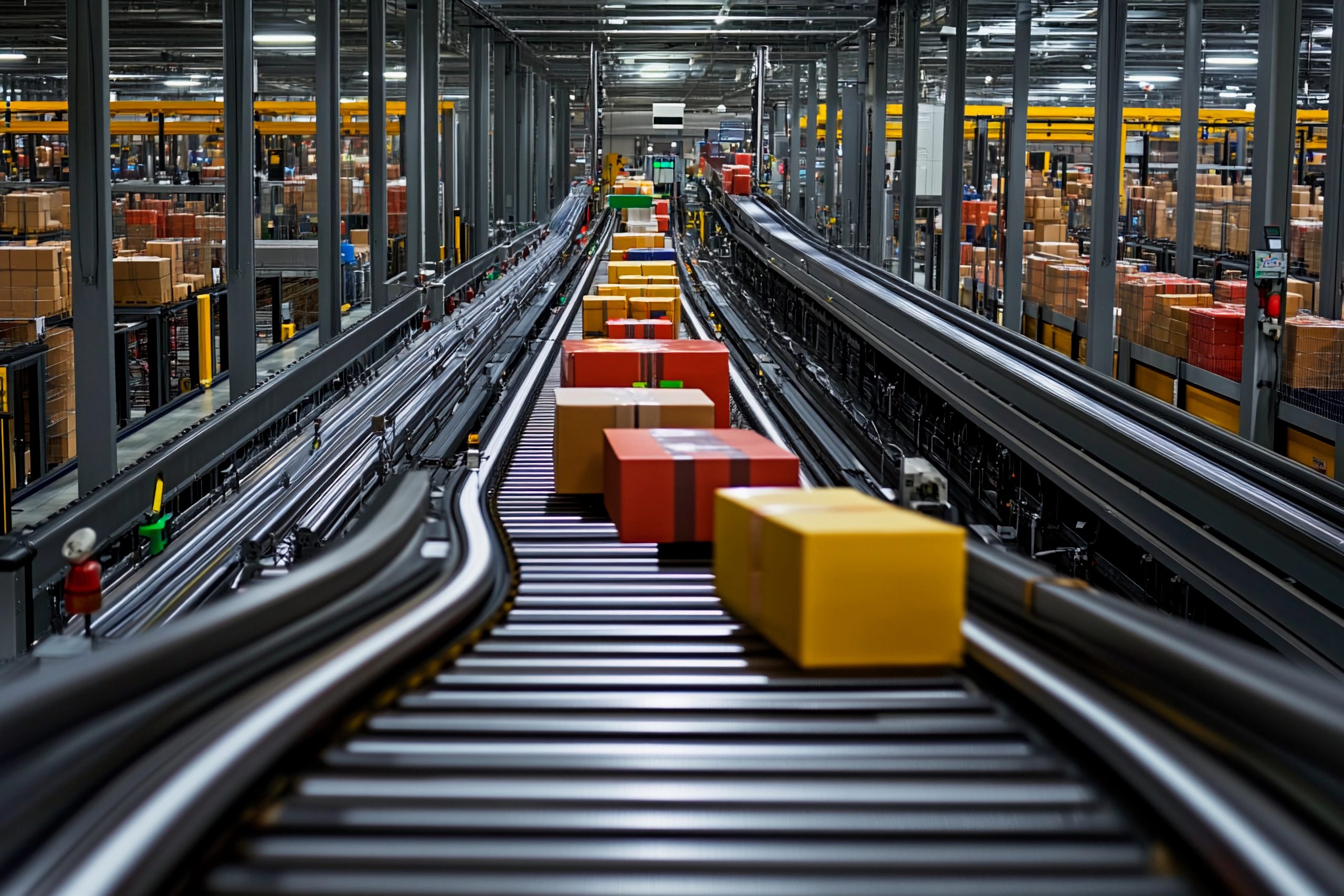
Mechanical & Electrical Installation
Assembly, alignment, anchoring, and wiring of belt, roller, chain, or overhead conveyors. Includes motor wiring, safety circuits, E-stop loops, control integration, and sensor placement — all performed by qualified field technicians on-site.
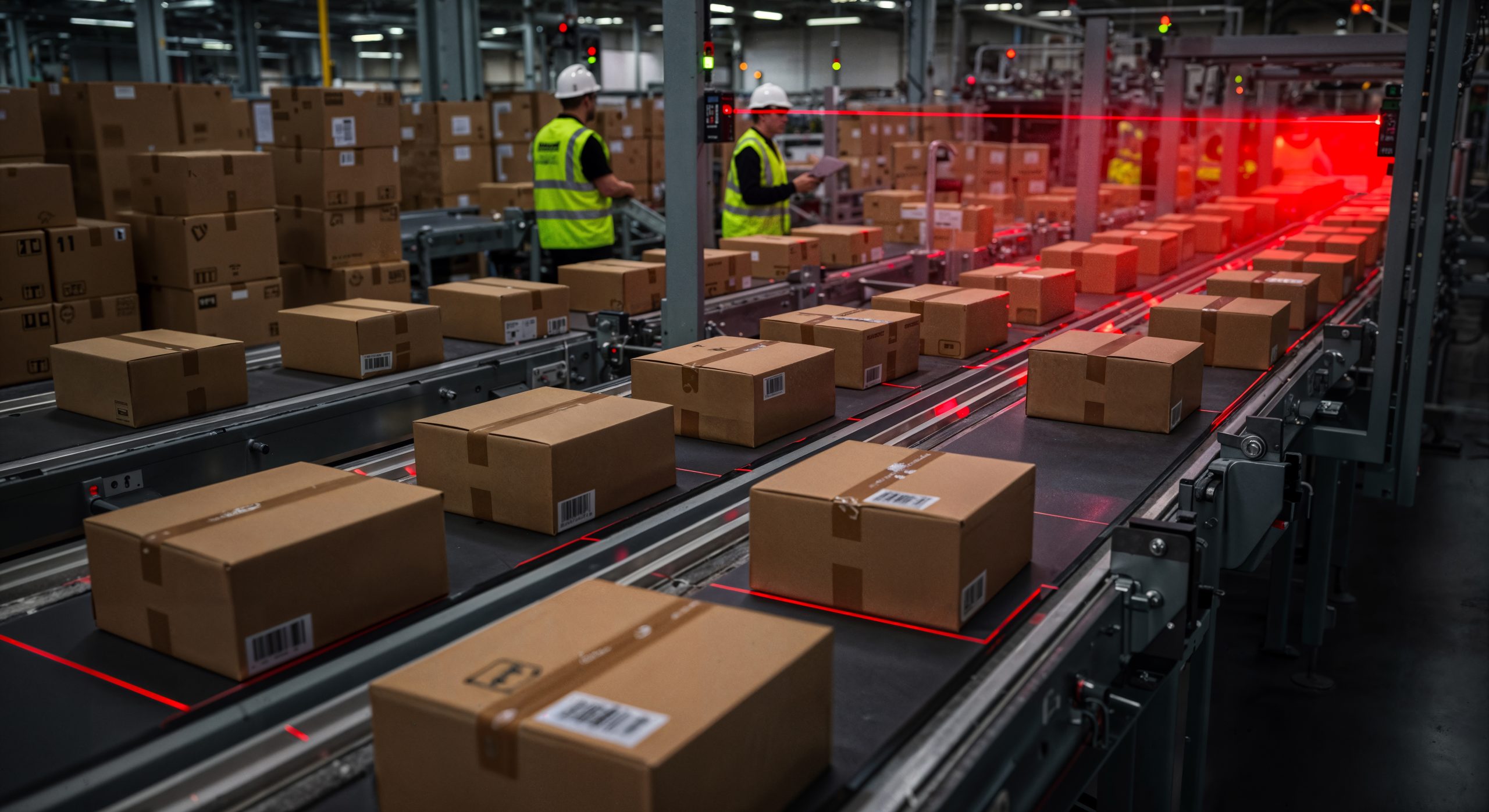
Commissioning & Run-Testing
Belt tracking, level alignment, and real-time load testing under actual operating conditions. The system doesn't get handed over until it performs correctly — not just mechanically, but integrated with your WMS or WCS if applicable.

24/7 Emergency Repair
Rapid-response troubleshooting for motor failures, belt slippage, snapped lacings, and electrical faults — available around the clock. A supplier won't send a technician when your line goes down at 2 AM. A full-service contractor will.
Preventive Maintenance Programs
Scheduled inspections, belt tracking adjustments, lubrication, cleaning, and component replacements at defined intervals — keeping systems running at full throughput and catching issues before they become unplanned shutdowns.
Splicing, Vulcanization & Belt Work
Hot and cold belt splicing, mechanical fastener repairs, lagging replacement, and full belt replacement for all conveyor types. On-site, stocked service vehicles — not waiting on a supplier to ship a part before the repair can start.
Supplier or Contractor — A Practical Decision Guide
The right partner depends entirely on your project scope. Here's a straightforward way to determine which type of engagement your facility actually needs.
You Need a Supplier When…
- You need replacement parts for a system already installed and running
- You're expanding an existing line with identical, standardized components
- You're purchasing standalone equipment with no on-site integration required
- Your in-house maintenance team handles installation and commissioning
- You need a specific belt material, roller size, or drive component sourced quickly
- The project is limited to procurement — no field labor involved
You Need a Full-Service Contractor When…
- You're building a new conveyor system or automating an existing manual operation
- The project requires on-site installation, electrical integration, or WMS/WCS syncing
- You need the system designed around your specific facility layout and throughput
- Your operation requires 24/7 emergency repair coverage after installation
- You want a structured preventive maintenance program and a single point of contact
- The project involves multiple conveyor types, levels, or sortation equipment
- End-to-end accountability from design through commissioning is required
What Sets a True Full-Service Contractor Apart
Single-Source Accountability
When you engage a supplier for equipment and a separate contractor for installation, accountability gets split. If the system doesn't perform, each party points at the other. A full-service contractor owns the outcome — design, installation, and performance — under one agreement.
System-Level Thinking, Not Component-Level
Suppliers think in parts. Contractors think in systems. The difference shows when your conveyor integrates with upstream and downstream equipment, warehouse software, or safety circuits — all of which require a system-level perspective that a parts vendor simply doesn't provide.
Emergency Response When the Line Goes Down
A supplier ships you a replacement part on a lead time. A contractor dispatches a technician — stocked service vehicle, right method, right tools — to get your operation moving again. For facilities that can't afford extended downtime, that difference is everything.
Long-Term Maintenance Ownership
The relationship with a full-service contractor doesn't end at commissioning. Structured preventive maintenance programs, documented service histories, and proactive component replacement keep systems running at full throughput for years — not just the first few months after installation.
What We Do as Connecticut's Full-Service Conveyor Contractor
Frequently Asked Questions
What is the difference between a conveyor system supplier and a contractor?
A conveyor system supplier sells physical hardware — belt sections, rollers, chains, or standardized conveyor units — and their accountability ends at delivery. A full-service conveyor contractor designs, installs, integrates, and commissions entire conveyor systems on-site, handling structural integration, electrical wiring, PLC programming, and WMS/WCS software syncing. Contractors take end-to-end responsibility for the system working correctly in your facility. See our full range of contractor services for what that scope looks like in practice.
What is the difference between a conveyor manufacturer and an integrator?
A conveyor manufacturer produces the physical components — belts, rollers, frames, drives — and provides technical engineering submittals and product-level quality assurances. A system integrator takes those components and builds them into a complete, functional material handling network tailored to a specific facility layout, often combining equipment from multiple manufacturers and integrating it with warehouse management software. Affordable Conveyor Services functions as a full-service contractor and integrator — not a manufacturer.
What services does a full-service conveyor contractor provide?
A full-service contractor provides turnkey design and engineering, mechanical and electrical installation, 24/7 emergency repair, preventive maintenance programs, and belt splicing and vulcanization. They handle everything from initial layout design through final commissioning and long-term lifecycle support — including system relocations, overhaul shutdowns, and emergency response at any hour.
When should I use a conveyor supplier vs. a contractor?
Use a supplier when you need replacement parts for an existing system, are expanding an identical line with standardized components, or are purchasing standalone stock equipment with no installation required. Use a full-service contractor when building a new system from scratch, undertaking a major warehouse automation overhaul, integrating a conveyor system with WMS or WCS software, or when you need ongoing maintenance and emergency repair support. Most facilities managing active operations need a contractor, not just a supplier.
What do mechanical contractors do for conveyor installations?
Mechanical contractors handle the field labor and site execution — offloading equipment, staging materials, setting elevations, erecting frames and idlers, installing sorters, performing motor wiring and safety circuit integration, sensor placement, and commissioning under real operating loads. They physically transform engineered equipment into a functioning material handling system inside your facility, and are responsible for the system performing correctly on handover.
How long does a commercial conveyor installation take?
Mechanical erection and commissioning for a standard installation typically runs 2 to 6 weeks from equipment delivery. The full project timeline — engineering and design through final handover — is typically 3 to 9 months depending on system complexity, site conditions, permitting, and facility coordination. Simple gravity roller systems install significantly faster than fully automated sortation or multi-level spiral systems. Our team provides detailed project timelines during the scoping phase.
Does Affordable Conveyor act as a supplier or a contractor?
Affordable Conveyor Services is a full-service conveyor contractor — not a parts supplier. We design, install, integrate, and commission conveyor systems on-site, and support them long after installation with preventive maintenance programs and 24/7 emergency repair. Our Southington, CT headquarters serves facilities across Connecticut and New England. Call (860) 342-8753 or contact us online to start a project conversation.
Ready to Work with Connecticut's Full-Service Conveyor Contractor?
From a single installation to a full warehouse system — our Southington-based team takes end-to-end accountability for design, installation, integration, and long-term support. No parts orders, no gaps in coverage, no hand-offs.
Start the conversation
Request a site assessment or reach us directly — we'll scope the right solution for your facility fast.
24/7 Direct Line (860) 342-8753