
Conveyor Belt Repair & Replacement Services
Expert belt repair, splicing, and full replacement services to keep your conveyor systems running. From emergency belt failures to scheduled belt changes — fast, reliable, 24/7 support.
Belt Down? Get 24/7 Emergency Response
A failed belt stops your entire line. Our team responds quickly to urgent belt repair and replacement needs to help reduce downtime and restore operations fast.
When Your Conveyor Belt Fails, Every Minute Counts
A damaged or worn conveyor belt is one of the fastest ways to shut down a production line, distribution center, or fulfillment operation. Affordable Conveyor provides expert conveyor belt repair and replacement services for facilities that depend on reliable material handling every day. Whether the belt has a small tear, a failed splice, edge damage from misalignment, or has reached the end of its service life, our team responds quickly with the right repair method for the situation.
We support warehouses, fulfillment centers, packaging lines, food and beverage facilities, pharmaceutical operations, airports, and other high-demand environments where belt performance directly impacts throughput, safety, and customer delivery.
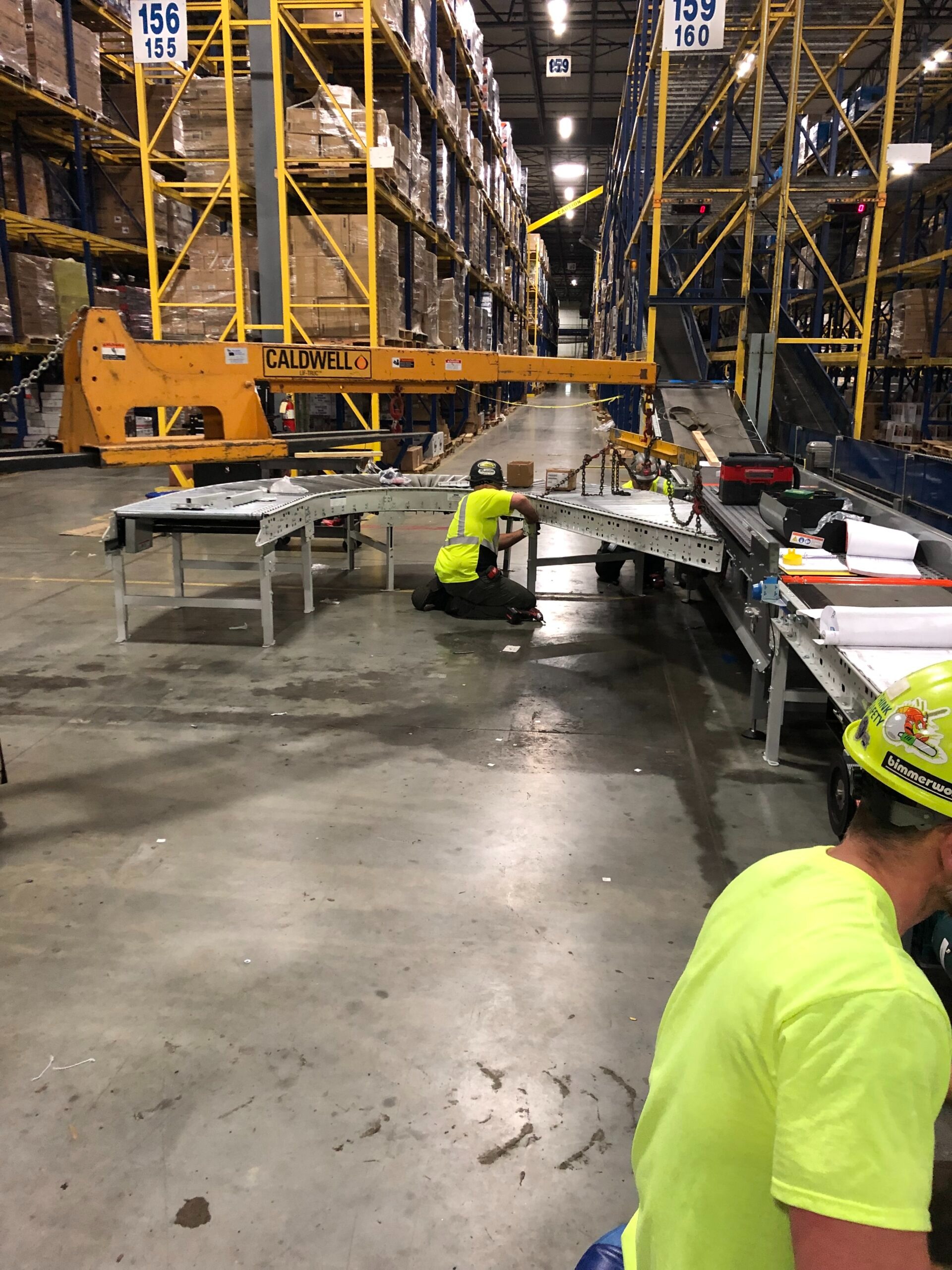
Conveyor Belts We Repair & Replace
Our technicians work across belt materials and constructions, from light-duty package handling to heavy-duty industrial belting.
How We Repair Conveyor Belts
Choosing the right repair method depends on the type and extent of belt damage, the belt construction, and how quickly your operation needs to be back online. We bring multiple proven techniques to every job.
Hot & Cold Vulcanization
Vulcanizing uses heat and pressure (or chemical bonding for cold vulcanization) to fuse damaged belt ends into a seamless, high-strength splice. It's the most durable repair method available and ideal for fabric or steel-cord belts in demanding environments. The result is a long-lasting joint that restores the belt's original integrity.
Permanent · High DurabilityMechanical Splicing & Fasteners
Mechanical splices use plate or hinged fasteners to rejoin broken belt ends quickly. This method is cost-effective, requires no specialized equipment, and is the right choice when minimizing downtime is critical or when the belt may need frequent adjustments. Common in operations that need fast turnaround.
Fast · Field-ServiceableCold Bonding & Patching
For tears, gouges, and surface damage that don't require a full splice, cold bonding uses adhesive compounds and reinforced rubber patches to seal the affected area. This technique is well-suited to minor damage and belts operating in less demanding conditions, and can be applied without taking the system offline for long.
Versatile · Targeted RepairFull Belt Replacement
When a belt is at the end of its service life, has widespread wear, severe structural damage, or repeated splice failures, replacement is the right call. We handle full belt removal, new belt installation, proper tracking and tensioning, and verification under operating load — so the new belt performs the way it should from day one.
End-of-Life · Full RestorationDon't Wait Until the Belt Fails Completely
Most conveyor belt failures show warning signs before a full breakdown. Catching them early is the difference between a planned repair and an unplanned shutdown that stops your entire line.
Our team inspects the broader belt and system condition so your facility can address the real cause, not just the visible symptom. That means fewer repeat failures, better-informed maintenance decisions, and longer belt life.
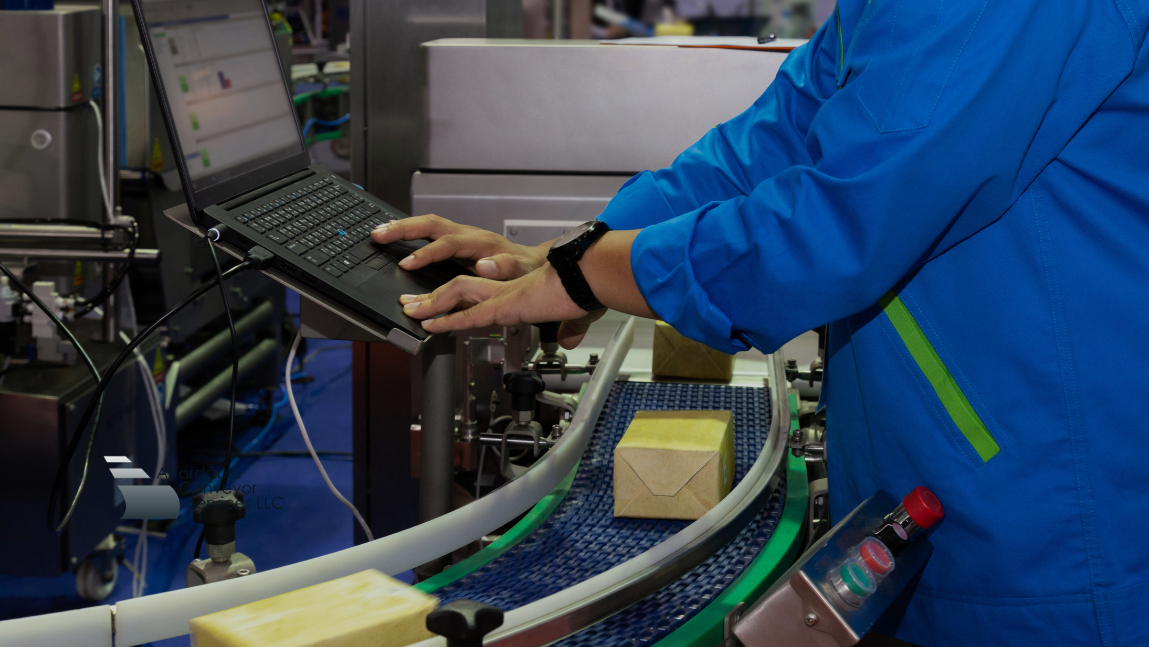
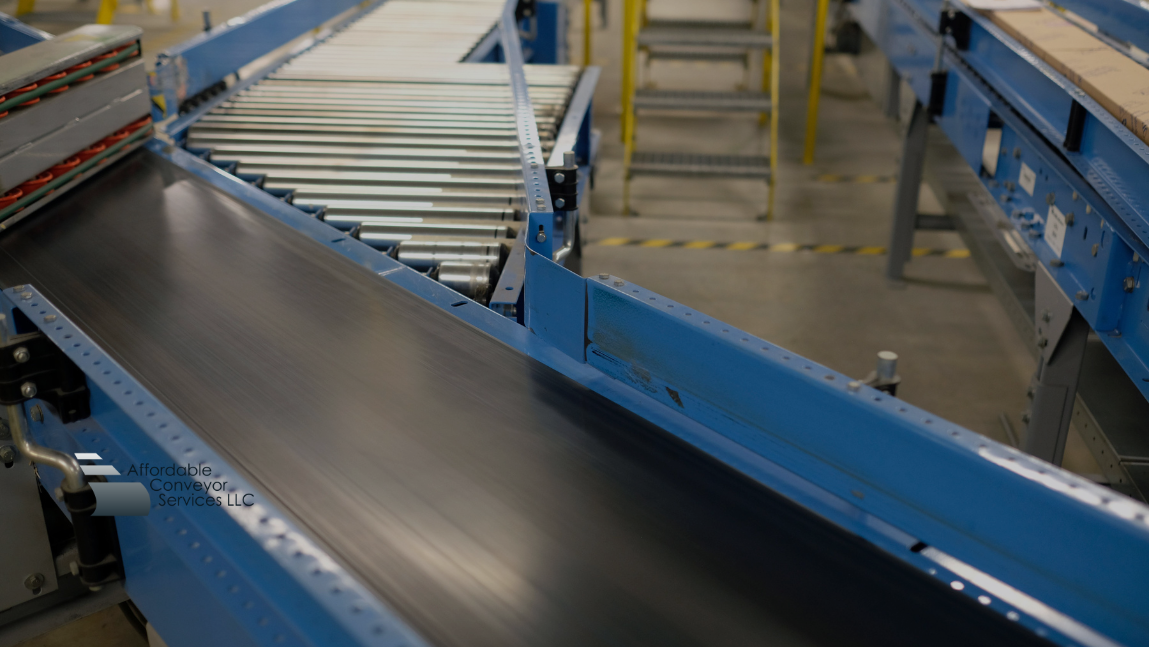
Common Conveyor Belt Problems We Repair
Our Belt Repair & Replacement Process
Assess the Damage
We inspect the belt, the failure mode, and surrounding system conditions to identify the cause — not just the symptom.
Recommend the Right Fix
Based on damage extent, belt type, and operational needs, we recommend repair, splicing, patching, or full replacement.
Perform the Service
Our technicians complete the repair or replacement using the appropriate method — vulcanizing, mechanical splice, cold bond, or new belt install.
Test & Verify
We tension, track, and run-test the belt under real operating conditions to confirm proper performance before leaving the site.
Prevent Repeat Failures
We flag underlying issues — pulley alignment, tensioning, takeup, idlers — so the new repair lasts and doesn't fail the same way again.
Most belt failures aren't a belt problem — they're a system problem. We fix both.
Repair or Replace? How to Decide
Not every damaged belt needs replacement, and not every aging belt can be repaired one more time. Here's how we evaluate the right call for your operation.
When We Recommend Repair
Repair is the right choice when the damage is localized and the rest of the belt has plenty of useful life left. A well-executed repair on a sound belt is faster, less disruptive, and protects the value of belting you've already invested in.
- Small tears, cuts, or punctures
- Localized surface damage or gouges
- Failed splice on otherwise healthy belt
- Newer belt with minimal overall wear
- Edge damage from a one-time event
- Damage isolated to one section
When We Recommend Replacement
Replacement is the better long-term call when the belt is structurally compromised, near the end of its service life, or showing widespread wear. Continuing to repair a failing belt usually costs more in downtime than installing a new one.
- Widespread surface wear or thinning
- Multiple repair points already in place
- Cover separation or delamination
- Structural damage to the carcass
- Repeated splice failures
- Belt approaching end of service life
Industries We Support
Why Operations Trust Affordable Conveyor for Belt Work
Related Services & Resources
Frequently Asked Questions
How do you repair a conveyor belt?
The right repair method depends on the type and extent of damage. The four most common techniques are vulcanizing (heat or chemical bonding for a seamless, durable splice), mechanical splicing with metal fasteners (fast and field-serviceable), cold bonding and patching (for localized tears and surface damage), and full belt replacement (when the belt is at end-of-life or structurally compromised). Our team evaluates the belt, the failure mode, and your operational needs to recommend the right approach.
Can a broken conveyor belt be repaired?
Yes — in most cases, a broken belt can be repaired rather than replaced. Vulcanized splices and mechanical fasteners are both proven methods for rejoining broken belt ends, and the choice between them depends on belt type, operating conditions, and how quickly you need to be back online. The exception is when the belt itself is at the end of its service life, has widespread wear, or has repeated splice failures — in those cases, replacement is the smarter long-term call.
What are common conveyor belt problems?
The most common issues we see are longitudinal tears and rips, transverse cuts and gouges, belt tracking and misalignment, surface wear and abrasion, edge fraying, failed or broken splices, belt slippage, heat or chemical damage, impact damage from heavy loads, and cover separation. Many of these problems give warning signs before a full failure — unusual vibration, frequent jams, belt drift, or visible wear are all worth a closer look.
What would cause a conveyor belt to break?
Common causes include misaligned pulleys or rollers, insufficient tension causing slippage, sharp objects or sudden load shifts creating tears, weak or improperly executed splices, excessive heat or chemical exposure degrading belt materials, and normal end-of-life wear. Many belt failures aren't really a belt problem — they're a system problem. That's why our process looks at pulley alignment, tensioning, takeup, and idlers, not just the visible damage.
How do you fix a conveyor belt that is separating?
Belt cover separation or delamination is typically a sign that the belt's structural integrity is compromised. For small, isolated areas, cold bonding with reinforced rubber patches can extend the belt's life. But if the separation is widespread or affecting the carcass, the belt usually needs replacement — continuing to patch a delaminating belt tends to fail again quickly. Our technicians can assess the extent and recommend the right approach.
What's the difference between repair and replacement?
Repair is the right choice for localized damage on a belt that still has useful life — small tears, surface gouges, a failed splice, or edge damage from a one-time event. Replacement is the better call when the belt has widespread wear, multiple existing repair points, cover delamination, structural damage to the carcass, or is approaching the end of its service life. Continuing to repair a failing belt often costs more in downtime and repeat failures than just replacing it.
How fast can you respond to an emergency belt failure?
Our team is available 24/7 for urgent belt repair and replacement needs. When a belt fails unexpectedly, we respond quickly with the right technique — mechanical splicing for fastest turnaround, vulcanizing when durability is the priority — to get your line back online. Call (860) 342-8753 anytime for emergency belt service.
Do you service all types of conveyor belts?
Yes. We repair and replace rubber belts, fabric-reinforced belts, PVC and urethane belts, steel-cord belts, modular plastic belts, metal mesh belts, food-grade belts, and specialty or cleated belts. Different belt constructions require different repair techniques, and our technicians match the method to the belt type — not the other way around.
Need Conveyor Belt Repair or Replacement?
Whether you are dealing with an emergency belt failure, a scheduled replacement, or wear that needs proactive attention, Affordable Conveyor is ready to help you reduce downtime and keep operations moving.
Get belt service started today
Request a callback or reach our team directly — we'll get you on the schedule fast.
24/7 Direct Line (860) 342-8753