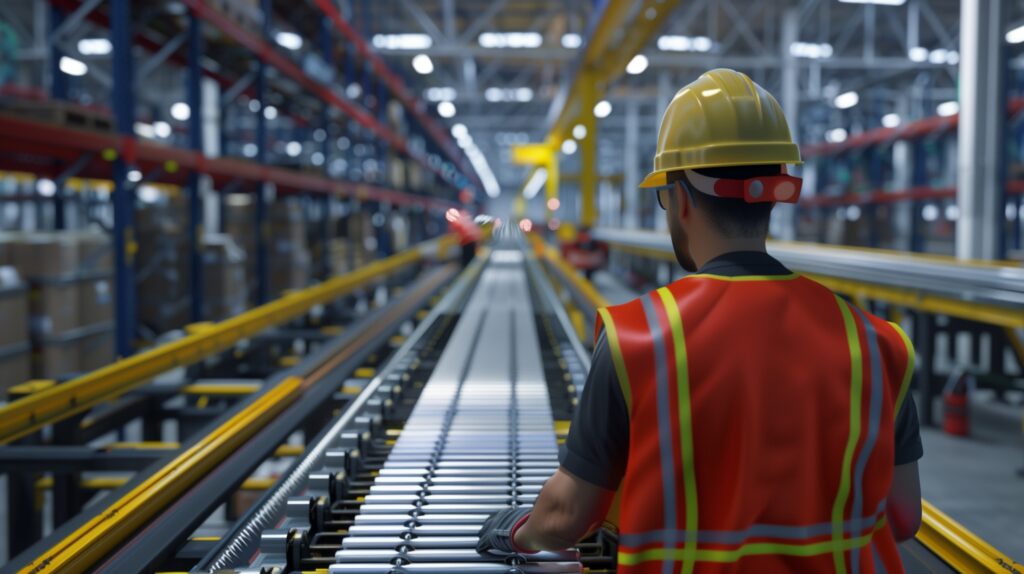

Stay Ahead of OSHA: What You Need to Know About the 2026 Heat Safety Standards

New rules are coming—and unprepared warehouses could face fines, injuries, and major downtime.

Heat safety is no longer just a summer concern. With rising temperatures, tighter regulations, and record-breaking warehouse workloads, OSHA has made heat illness prevention a top priority in 2026.

At Affordable Conveyor, we believe compliance doesn’t have to be complicated. Whether you’re managing a manufacturing line or a high-volume fulfillment center, now is the time to build a heat-ready safety plan—and future-proof your operation before enforcement ramps up.

What’s Changing in 2026?

The U.S. Occupational Safety and Health Administration (OSHA) is expected to finalize a national Heat Injury and Illness Prevention standard this year. It applies to both indoor and outdoor work environments, especially in high-hazard industries like logistics, warehousing, and food/beverage.

Key changes include:

Warehouses and distribution centers are now expected to prove they’ve taken proactive steps—especially during peak summer months like July and August.

What This Means for Material Handling Operations

Most conveyors don’t overheat—but your people do. And facilities with high-throughput zones, poor ventilation, or minimal automation are especially vulnerable.

Here’s how heat impacts your operation:

Automation can help reduce labor strain—but even with robotics, you still need a heat plan.

5 Steps to Prepare Your Facility for 2026 Heat Compliance

Create a Written Heat Safety Program

Include protocols for training, rest schedules, emergency response, and site-specific hazards. OSHA inspectors will ask to see this.

Identify High-Heat Zones

Use temperature monitoring to flag hot spots near motors, docks, or mezzanines. Consider rerouting labor or adding fans where needed.

Install Cooling and Hydration Stations

Provide clearly marked areas with shade, water, and airflow. This is especially important in areas without HVAC.

Train Employees on Warning Signs

Educate teams on symptoms like dizziness, nausea, or confusion—and how to respond before symptoms escalate.

Leverage Automation to Reduce Exposure

Use conveyors, lifts, and AMRs to limit time spent in high-exertion zones. Automation isn’t just efficient—it’s safer, too.

Bonus: Use May for Gap Analysis and Fixes

May is your compliance buffer. You still have time to:

Don’t wait until June or July—OSHA enforcement typically spikes mid-summer, and inspections can happen unannounced.

This is a Heat-Safe = Peak-Ready

At Affordable Conveyor, we help clients balance automation upgrades with workforce safety. Whether it’s optimizing layout to reduce travel distance or integrating smart tech for zone monitoring, we’re here to make sure your facility runs efficiently—even when the heat’s on.

Book your 2026 heat compliance check today—and avoid costly surprises this summer.

FAQs

Is this new OSHA rule already in effect?

The Heat Injury and Illness Prevention standard is expected to be finalized in 2026. However, OSHA is already enforcing heat protections through its National Emphasis Program.

OSHA recommends action starting at 80°F. Higher risk activities (like lifting or repetitive work) may require additional breaks or cooling even below that.

Yes—especially those without full climate control. Indoor heat is a major focus of the proposed standard.

Absolutely. Reducing human exposure in high-exertion roles—via conveyors or smart systems—improves both safety and productivity.

Lack of documentation is a major citation risk. Fines can be steep, and failure to act after a heat-related incident could bring further legal consequences.

Contact Us

Get more information about how we can improve the productivity of your business

This field is required.

Leave a Comment

Your email address will not be published. Required fields are marked *

Scroll to Top